
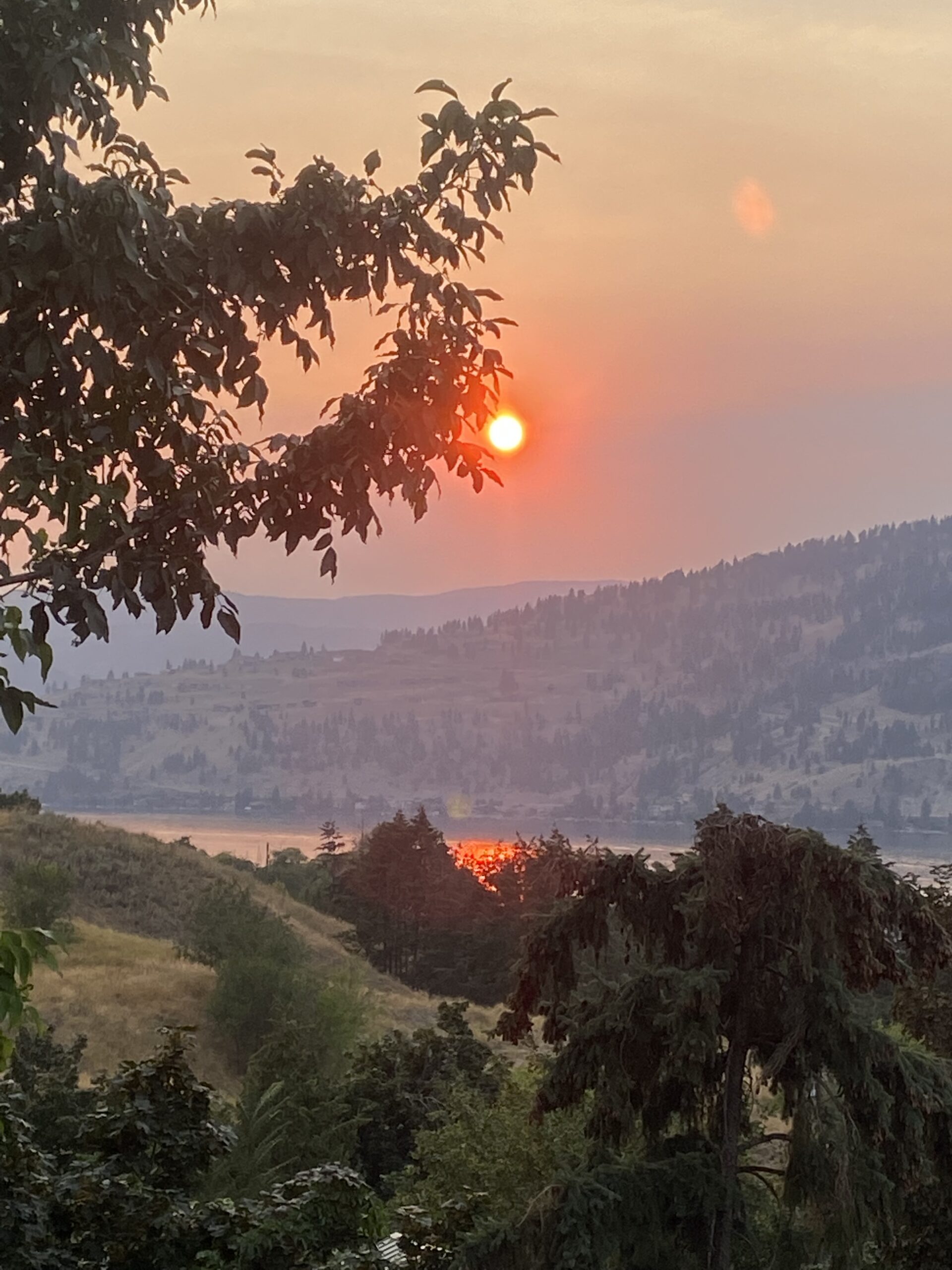
Forest Fire Update – August 2025
OPS-82 Not much new to be had in this update. The 2025 season will be another significantly high year for Canadian fire statistics (7.3 million hectares to August 9th, 2025), but the trends still do not point to ‘climate change’. As late as 2020, the acreage burnt trend was down slightly (statistically flat). In the last few years, the trend has increased, but the insignificant 13.3 ppm CO2 increase since 2020 is not responsible for that change. The US story is clearer. The 2024 fire season just solidified the declining acreage burnt since the turn of the century. And the world story (based on the satellite data)? A continuous decline.
#climatechange #delaythegreen #globalwarming #showusthedata
I have always maintained that Forest Fires are not a good indicator of ‘climate change’. My position on that has not changed. Human activity is definitely a major factor in the fire statistics. We start a large percentage of those fires. In the US, 89% of the 2024 fires were started by humans (accidentally and intentionally combined). Alberta was lower at 60% in 2023 with early indications of 75% for 2024. We also play a significant role in how those fires play out through our forestry management. Fire suppression through fuel buildup has led to much larger and more aggressive fires. Human development in fire prone areas has led to increases in property damage. Support for my position can be found at the IPCC. They have a “low confidence in direction of change” for aridity, hydrological, agricultural, and ecological droughts, and fire weather trends. Discussed in more detail in my CSS-64 – IPCC – Chapter 12 – Extreme Weather post.
CO2 is not driving Forest Fire statistics in the US and Canada. But for a complete discussion we need to look at the global statistics. The attached chart (based on Our World in Data) shows that acreage burnt declined steadily over the 2002-to-2022-time frame (globally and regionally), despite rising CO2 levels. The large Canadian acreage burnt in 2023 may be enough to push North America into a positive trend, but the global trends will still be down. I will update this info and provide more discussion once the OWID’s 2023 data is available.


Here are some additional articles/papers/posts that provide additional context to this discussion.
Climate Short Story (CSS)
CSS-17 –Forest Fires – March 2022
CSS-41 – Canadian Forest Fires – 2023 Interim Report
CSS-52 – Extreme Weather Events
CSS-64 – IPCC – Chapter 12 – Extreme Weather
One Page Political Summary (OPPS)
OPS-28 – Forest Fire Discussion
OPS-29 – Forest Fire Discussion II
OPS-67 – US-Canada – 2022 Forest Fires
OPS-76 – Forest Fires – 2023 Updatehttps://climatechangeandmusic.com/forest-fires-2023-update/


